


Research & Development
Interested Areas
3D bioprinting is reshaping the future of life sciences by revolutionizing fields such as personalized medicine, drug development, cell-based food production, and regenerative therapy.
Our Scientific Focus
At the heart of the scientific and educational vision of Omid Afarinan Engineering the Future Co., lie four key domains that form the foundation of our research, educational, and innovation-driven activities. These core areas not only foster the development of cutting-edge technologies but also serve as strategic pathways for empowering the next generation of biomedical researchers and professionals.
Explore the four core pillars that define the focus of our activities:
Drug Discovery
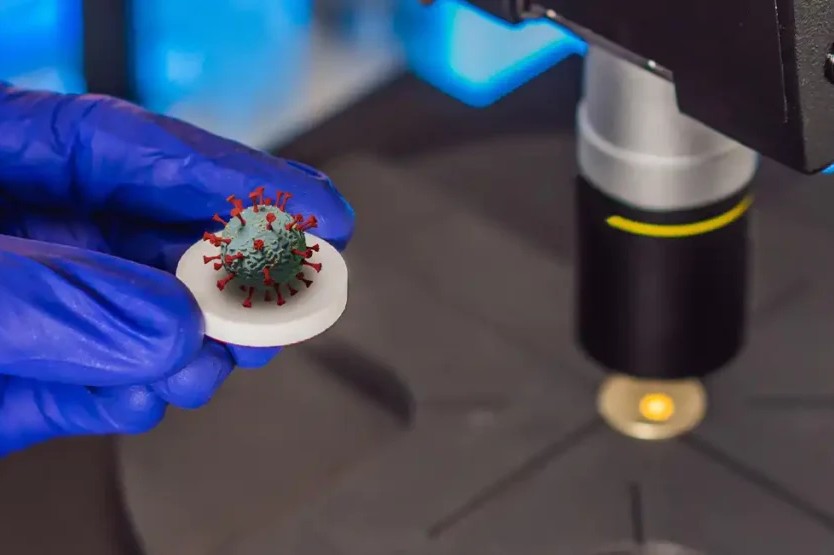
3D Biomimetic Models: A New Frontier in Drug Discovery
Advances in 3D bioprinting have enabled the creation of biomimetic models that more accurately replicate the physiological environment of human tissues. These models serve as advanced alternatives to traditional methods such as 2D cell cultures and animal models, allowing researchers to better evaluate drug efficacy and safety. This innovation accelerates the drug discovery process, reduces costs, and enhances the reliability of preclinical data.
Cell Culture Media
A Sustainable Future for Meat Production
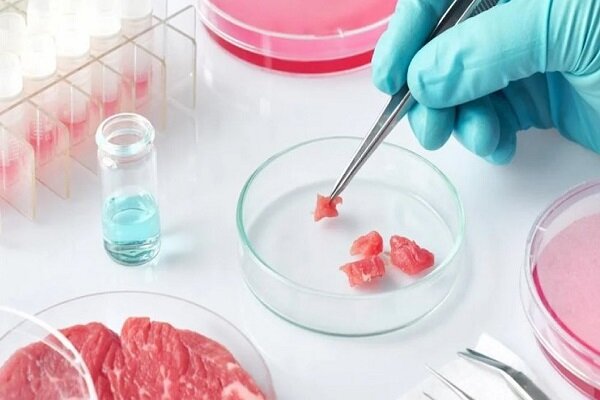
3D bioprinting technology is opening new horizons in the food industry by enabling the lab-grown production of cultured meat. Using edible bioinks and advanced printers, this technology allows the fabrication of complex structures composed of muscle, fat, and vascular tissues that closely resemble the texture and flavor of natural meat.
As a sustainable alternative to conventional meat, cultured meat can significantly reduce the environmental pressures caused by industrial livestock farming. With precise control over cell composition and tissue architecture, this approach enables the production of high-nutrient meat products with desirable sensory qualities.
Recent advancements in this field highlight the immense potential of 3D bioprinting to revolutionize the food industry and offer innovative, ethical, and sustainable solutions for animal protein production.
Personalized Medicine
Revolutionizing Personalized Medicine
3D bioprinting technology, combining additive manufacturing and biocompatibility, has opened new horizons in developing personalized therapies. This technology enables the production of biomedical implants, biosensors, and smart drug delivery devices tailored to the unique structure and physiological needs of each patient.
One notable application is the creation of smart drug patches that automatically dose and deliver medication locally, enhancing treatment efficacy while minimizing side effects. These advancements highlight the key role of bioprinting in improving patient-centered care and clinical outcomes.
Regenerative Medicine
New Horizons in Regenerative Medicine
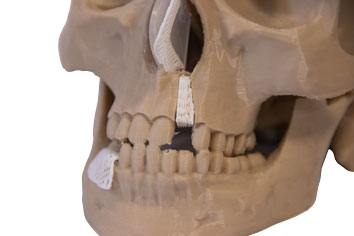
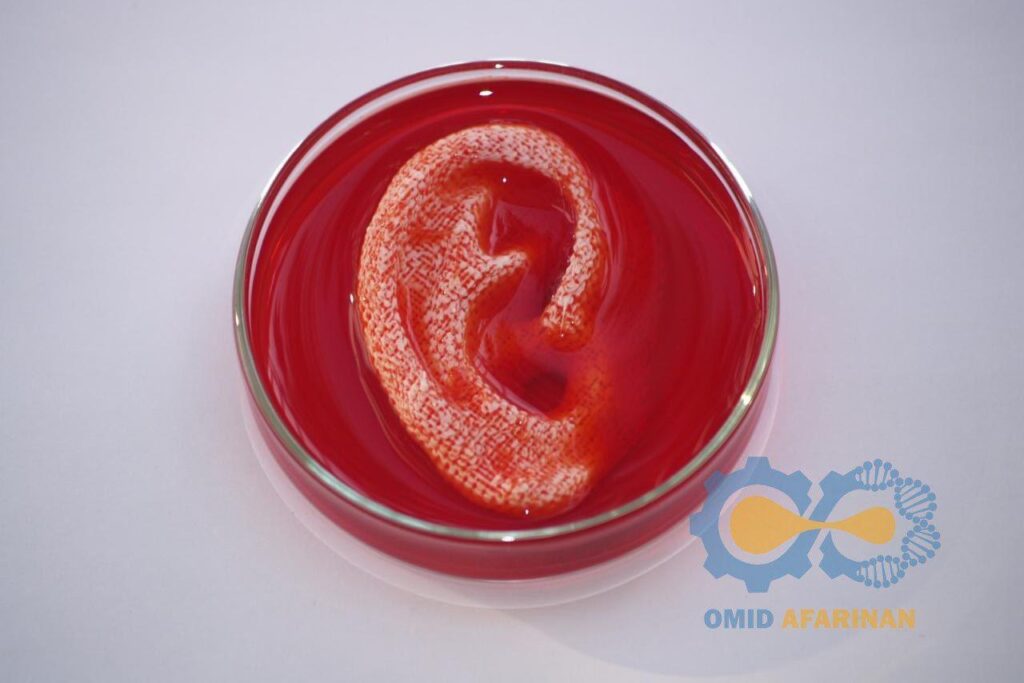
3D bioprinting technology has brought a remarkable transformation to regenerative medicine by enabling the fabrication of functional tissues. Utilizing bioinks and advanced techniques, this technology allows the production of tissues such as skin, bone, and reproductive organs that closely mimic the structure and function of natural tissues.
In skin regeneration, researchers have successfully bioprinted multilayered skin capable of vascularization, demonstrating microvascular formation after transplantation in animal models. In bone tissue, coaxial printing has been used to create stable bone scaffolds while maintaining cell viability, representing a significant step in bone repair. Additionally, in reproductive organs, 3D-printed scaffolds for artificial ovaries have supported follicle growth and development, even leading to live births in animal models.
These achievements highlight the great potential of 3D bioprinting in regenerating damaged tissues and organs and offering innovative solutions for treating various diseases.
The Research and Development department of OmidAfarinan, with an open and collaborative approach, warmly welcomes cooperation with researchers, graduate students, and university faculty members. We believe that scientific synergy between industry and academia is a key driver of innovation and practical advancements in the fields of bioprinting and tissue engineering. To foster this collaboration, we offer opportunities for joint research projects, specialized internships, applied thesis work, and knowledge exchange — all aimed at creating a dynamic environment for innovation, learning, and active engagement. Interested researchers are invited to contribute to the development of bioprinting technologies, the design of next-generation implants, and the creation of human tissue models. To collaborate with us, please click the link below.
