Kits and Bio-inks
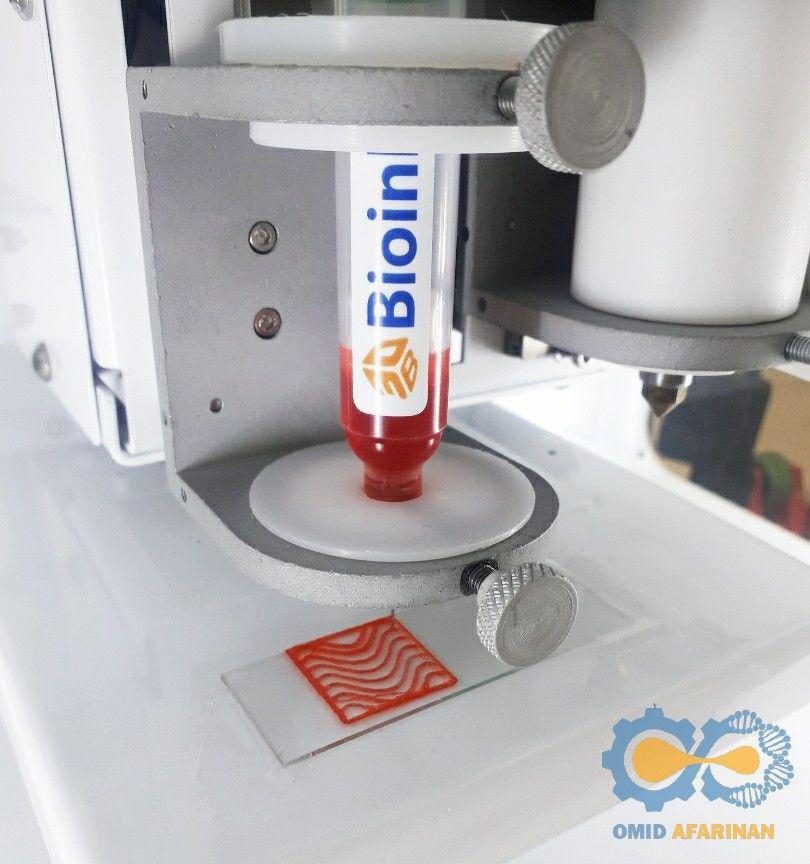
High-quality bio-inks play a key role in the success of 3D cell culture and 3D bioprinting. As the first producer of bio-inks, we are constantly creating and improving bio-inks for various applications. This has enabled thousands of laboratories to start with what truly matters: creating the future of health and medicine.
Accelerate your research success with our bio-kits.
Kits
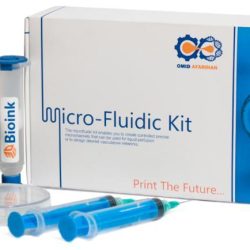
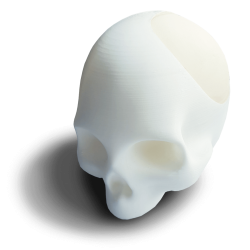
By utilizing specialized kits such as Coaxial® for creating hollow structures like vessels, Cranio® for producing body-compatible implants, and Microfluidic® for designing microchannel networks, new pathways have been opened in regenerative medicine, customized surgeries, and biomedical experiments.
Bio-inks
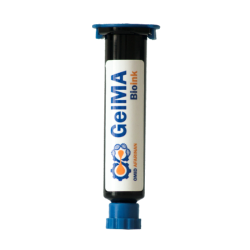
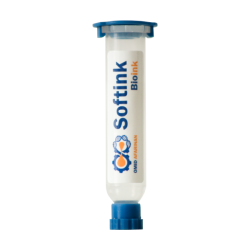
Ready-to-use specialized bioinks and hydrogels, compatible with any 3D printer, enable precise layer-by-layer bioprinting of complex biological structures. These biomaterials create an optimized microenvironment that supports cell growth, proliferation, and maturation in 3D tissue models. Additionally, they provide essential biomechanical cues such as shear stress, stretching, compression, elasticity, and stiffness, enhancing the functionality and realism of printed tissues.
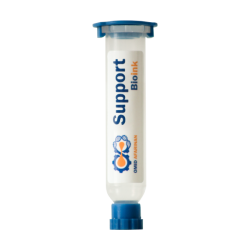
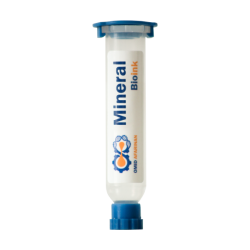
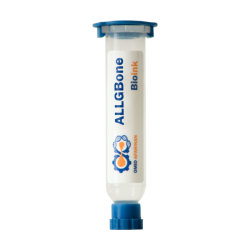
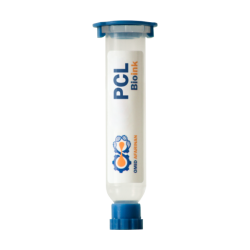
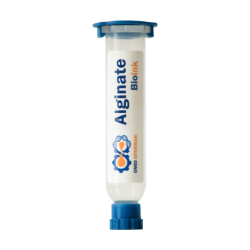
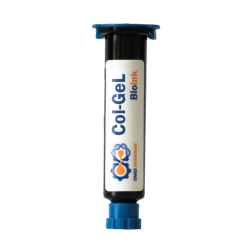
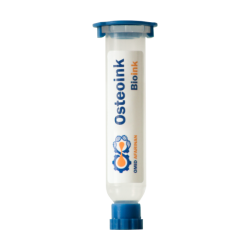
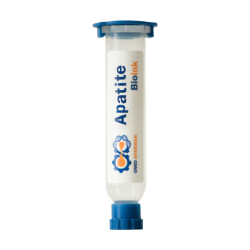
Applications of bio-inks
Bio-kits refer to any synthetic or natural polymer selected for their biocompatible components and favorable rheological properties. These features temporarily or permanently support living cells to facilitate cell adhesion, cell proliferation, and cell differentiation during maturation.
Kits
Thanks to advancements in 3D bioprinting technology, the fabrication of complex models such as vascular structures, cranial implants, and lab-on-a-chip devices has become increasingly feasible. Omid Afarinan has developed a range of innovative solutions, including Coaxial® for printing hollow, vessel-like and core/shell structures; Cranio®, a PMMA-based, biocompatible implant for the treatment of craniofacial deformities such as hypertelorism, craniosynostosis, and hemifacial microsomia; and Microfluidic®, a kit that enables the creation of precise microchannels for designing customized vascular networks and conducting advanced biomedical assays on chip.
Premium-grade
Our diverse selection of bioinks and biomaterials is designed to maintain optimal cell health at every stage of the bioprinting process. Every tailored formulation supports the flow and mechanical properties cells need to generate and structure their own ECM. Because bioink quality is critical to successful 3D cell culture and tissue engineering, we adhere to stringent production protocols and rigorous testing to minimize variability and ensure consistent results.
Begin your journey today
Contact our team with your 3D bioprinting requirements, and our specialists will gladly demonstrate the potential of our 3D bioprinters and how our solutions can advance your research.